New Kitten Feeding Guide: First Foods, Schedule & Tips
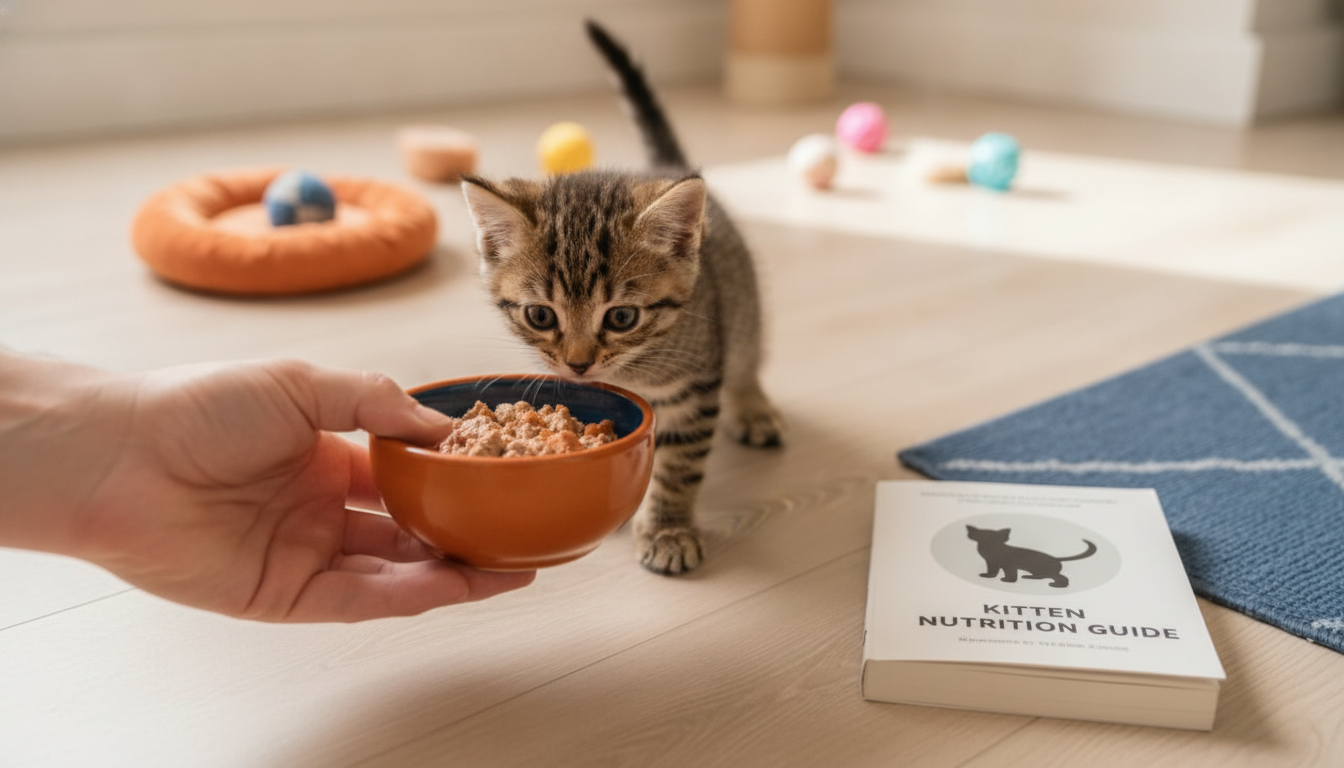
Feeding Your New Kitten Right: What to Start With for Healthy Growth and Happier Mealtimes
A new kitten grows fast, and early food choices can shape digestion, energy, coat quality, and long-term health. The goal is simple: provide complete, kitten-formulated nutrition, build steady routines, and avoid common mistakes that upset tiny stomachs. Use the guidance below to choose the right first foods, set a schedule, and transition confidently as your kitten matures.
What makes kitten nutrition different
Kittens aren’t just “small cats.” Their bodies are building bone, muscle, and brain tissue at a rapid pace, which means their diet needs to do more heavy lifting than an adult maintenance formula.
- Kittens need more calories per pound than adult cats to support rapid growth and play.
- Higher protein and fat needs help build muscle, support brain/vision development, and fuel activity.
- Key nutrients to look for in complete kitten foods include taurine, DHA, proper calcium/phosphorus balance, and essential vitamins/minerals.
- Choose products labeled “complete and balanced” for growth (or “all life stages” from a reputable brand) and avoid unbalanced homemade-only feeding without veterinary guidance.
For a deeper overview of life-stage feeding and weight management, see the AAHA Nutrition and Weight Management Guidelines and the Merck Veterinary Manual’s cat nutrition reference.
What food to start a new kitten on
The best “starter food” is usually the one your kitten already tolerates well. If the breeder or shelter sent food home, keep that same food for the first 7–10 days to reduce the odds of diarrhea or vomiting. Once your kitten is settled, you can switch if needed—slowly.
- Start with a kitten-specific wet food, dry food, or a combination, based on what the kitten is already eating and what fits your routine.
- If the breeder/shelter provided a food, keep it for the first 7–10 days to reduce stomach upset, then transition gradually if changing.
- Wet food supports hydration and is often easier for young kittens to eat; dry food can be convenient and supports nibbling patterns.
- Avoid cow’s milk; many kittens are lactose intolerant and it can cause diarrhea.
Starter options: pros, cons, and best use
| Option | Pros | Watch-outs | Best for |
|---|---|---|---|
| Kitten wet food | Hydration support; strong aroma for picky eaters; easy to chew | Spoils quickly; more frequent dish washing; can be pricier | Young kittens, slow eaters, kittens prone to constipation |
| Kitten dry food | Convenient; easy to portion; can be left out briefly | Lower moisture; some kittens overeat if free-fed | Busy schedules, kittens that prefer crunch |
| Combination feeding | Balances moisture + convenience; variety can reduce fussiness | Track total calories to prevent overfeeding | Most households; kittens transitioning to adult routines |
| Moistened kibble (with warm water) | Softer texture; gentle bridge for very young kittens | Discard leftovers promptly; avoid leaving out for long periods | Recently weaned kittens or those with sensitive mouths |
How much to feed: portions and growth cues
Packaging feeding guides are a useful starting point, but kittens vary a lot by activity level, breed type, and metabolism. A lanky, high-energy kitten may need more than the chart suggests, while a more laid-back kitten might need slightly less.
- Use the feeding guide on the kitten food packaging as a starting point; adjust based on body condition, activity, and stool quality.
- Aim for steady weight gain (your veterinarian can confirm ideal targets at early checkups).
- Signs a kitten may need more: constant hunger, poor weight gain, low energy, ribby body condition.
- Signs a kitten may be getting too much: rapid chunky gain, frequent large stools, food left over with routine grazing.
- Treats should stay small and infrequent; prioritize complete kitten food for most daily calories.
A practical habit: weigh your kitten weekly (same day, similar time) and jot it down. Small changes are easier to fix when you catch them early.
Feeding schedule by age (and how to keep it calm)
Young kittens do better when meals match their tiny stomach capacity. Consistent timing also helps reduce anxiety-driven begging or picky behavior.
Hydration matters at every stage. If you’re feeding mostly dry food, set out multiple water stations and refresh them daily. For general cat care basics (including water and litter habits), the ASPCA’s general cat care guide is a helpful reference.
Transitioning foods without tummy trouble
Simple 7–10 day transition guide
| Days | Old food | New food |
|---|---|---|
| 1–2 | 75% | 25% |
| 3–4 | 60% | 40% |
| 5–6 | 50% | 50% |
| 7–8 | 25% | 75% |
| 9–10 | 0% | 100% |
Common feeding mistakes to avoid in the first month
A practical guide for confident, stress-free mealtimes
- Helping Pets Handle Vacuum Stress
- 5-Minute Reset for Exhausted Parents (3 in 1) | Audio Course | Mindfulness Breathing, Emotional Reset & Energy Boost
FAQ
What should a new kitten eat on the first day at home?
Offer the same food your kitten was already eating whenever possible, served in small, frequent meals with fresh water. Keep day one simple and calm to reduce stress-related stomach upset.
Should kittens eat wet food or dry food?
Either can work as long as it’s complete and formulated for kittens. Wet food supports hydration, dry food is convenient, and many kittens do well with a mix as long as total daily calories are tracked.
How often should a kitten be fed?
Very young kittens usually do best with multiple small meals per day, then fewer meals as they grow. Keep meal times consistent and adjust portions based on body condition and your veterinarian’s guidance.











Leave a comment