Active Recall: The #1 Memory Exercise (15-Min Method)
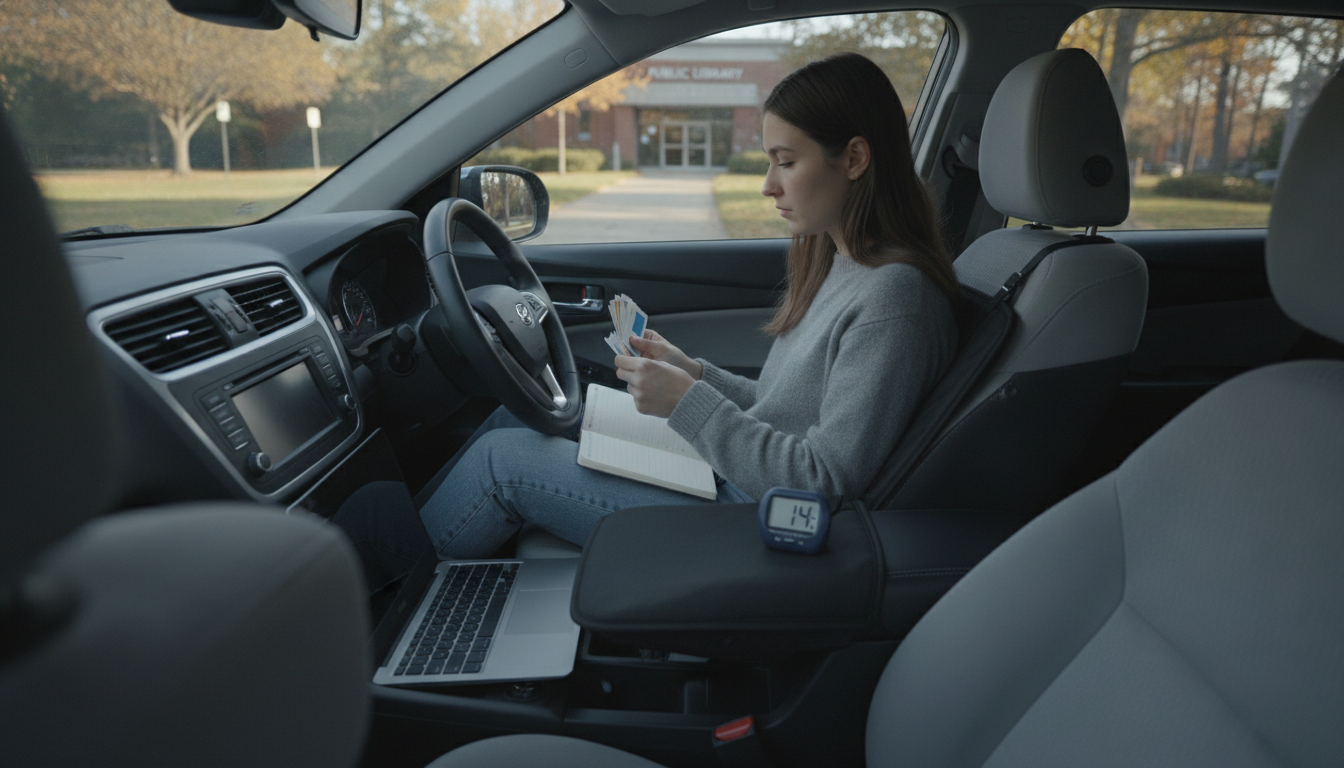
What is the number one brain exercise for memory improvement?
The top brain exercise for improving memory is active recall: pulling information out of your mind without looking at notes. This “retrieval practice” strengthens the pathways that help you remember later, and it tends to beat passive review like rereading or highlighting because it forces your brain to do the exact job you want it to get better at—remembering on demand.
Why active recall works so well
Memory improves when the brain has to retrieve an answer, not just recognize it. Each time you struggle a little and then successfully recall, you reinforce the memory and make future recall faster and more reliable. Even quick, imperfect attempts help because they spotlight what’s truly learned versus what only feels familiar.
How to do active recall in 15 minutes
Pick one small topic (a chapter section, a meeting recap, or a list). Set a timer for 5 minutes and write or say everything you can remember—no peeking. Then spend 5 minutes checking your source to correct gaps and errors. Finish with 5 minutes of another recall attempt, aiming to produce the corrected version from memory. This short loop is simple, repeatable, and easy to fit into a busy day.
Make it even stronger with spaced repetition
Instead of cramming, repeat the same active recall drill after increasing gaps—later today, then tomorrow, then a few days later. Spacing makes retrieval slightly harder, and that desirable difficulty is one reason the memory becomes more durable.
For a ready-to-use routine and printable-style recall drills, visit this guide to memory-boost worksheets and 15-minute recall drills.
For Active Recall: The #1 Memory Exercise (15-Min Method), the best answer depends on fit, material, care instructions, and how the product will be used day to day.
FAQ
How often should you do memory exercises to see results?
Most people benefit from short sessions 3–5 days per week, with the same material revisited on a spaced schedule. Consistency matters more than session length, so aim for 10–20 focused minutes at a time.












Leave a comment